Every garden needs a few plants that answer quickly. Not because patience is unimportant, but because patience is easier when something is already blooming. Long-blooming annuals give a new gardener evidence that the work is working while slower perennials settle in and while the rest of the bed is still deciding what kind of season it wants to have.
Annuals are sometimes dismissed as temporary, but temporary is not the same as trivial. A zinnia that flowers for months, a marigold that keeps a hot edge cheerful, or a calibrachoa that spills from a pot all summer can carry a garden through its awkward first year. They buy you color, confidence, and time.
The trick is choosing annuals for stamina, not only for the prettiest nursery photo. A plant that looks spectacular for two weeks and then sulks is not what an impatient gardener needs. You want flowers that keep making fresh growth when they are watered, fed, and cut back before they exhaust themselves.
Many annuals fail before they get a fair chance because they are planted too early or in the wrong light. Zinnias, cosmos, marigolds, gomphrena, lantana, angelonia, and calibrachoa all want warmth. If they sit in cold spring soil, they may stall, yellow, or become vulnerable to rot before summer even begins.
Wait until nights are reliably mild for the warm-season flowers. If you need earlier color, use calendula, pansies, or sweet alyssum while the heat lovers wait. That is not wasted effort. It gives the garden a first act instead of forcing summer flowers to pretend it is summer.
Light matters just as much. Mostly sun means enough direct sun to fuel bloom. A zinnia in weak light may live, but it will stretch and underperform. Nasturtiums can tolerate a little less intensity, and alyssum may appreciate relief in hot climates, but most long-blooming annuals are not shade solutions.
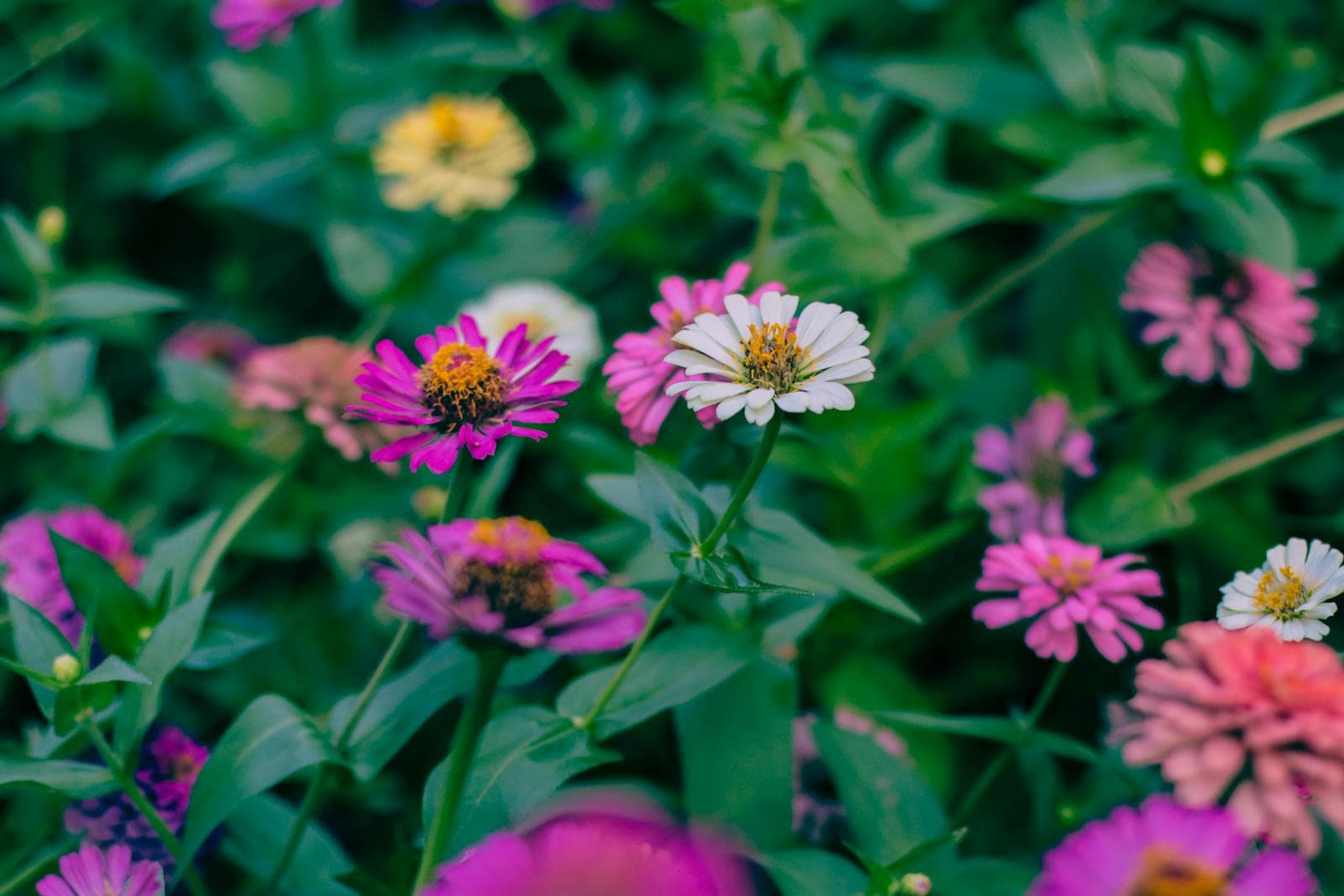
Zinnias are the annual I would give to someone who needs the garden to say yes. They germinate reliably in warm soil, they grow quickly, and the flowers are bold enough to make a small bed feel alive from across the yard. They also teach one of the best beginner lessons: cutting flowers can lead to more flowers.
Give zinnias space and airflow. Crowded zinnias can develop powdery mildew, especially when leaves stay damp. Water at the soil, not over the top, and avoid planting them as a dense wall. If a stem is ready for a vase, cut it. If a bloom is fading, deadhead it back to a branching point.
The color choice matters more than people think. A packet mix is cheerful, but a bed of every color can feel noisy. If the garden is small, choose a tighter range: coral and salmon, red and orange, white and green, or pink and apricot. The plants will still feel abundant, but the bed will look more deliberate.
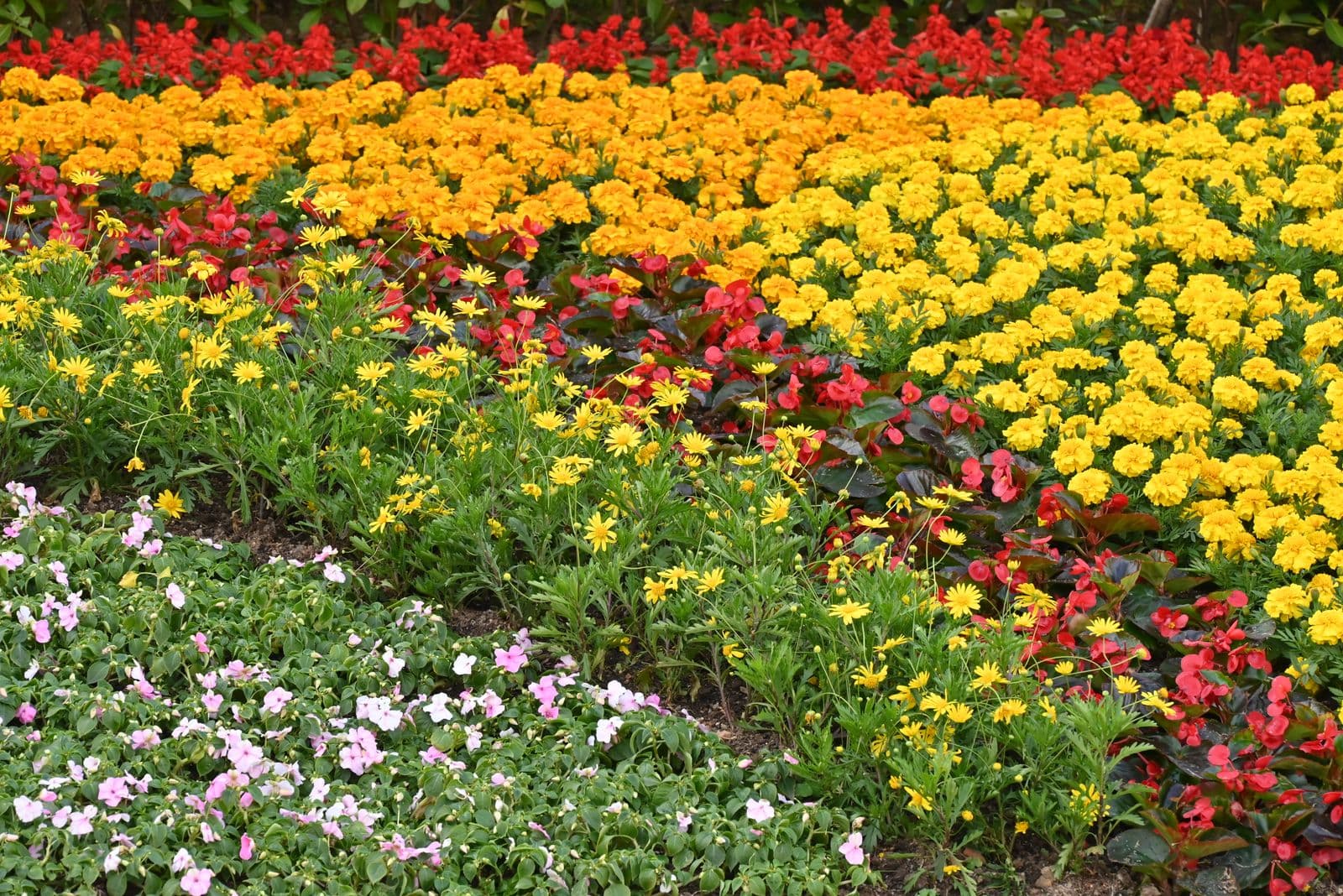
Marigolds are not fashionable in every circle, which is useful because fashion has very little to do with whether a beginner garden succeeds. They are sturdy, visible, and forgiving. In hot sunny beds, they can keep an edge bright when fussier flowers pause.
Calendula has a softer season. It often shines in cooler weather, especially in spring and fall, and it brings a looser cottage feeling than marigold. In very hot summers it may slow down, but that does not make it a bad annual. It simply means you should use it where the season suits it or let it carry the shoulder months while heat-loving flowers take over.
Both flowers respond to regular deadheading. Remove the whole spent head, not just loose petals. If you want some self-sowing or seed saving later, leave selected blooms near the end of the season, but do not let every plant go to seed in June and then wonder why the display has gone quiet.
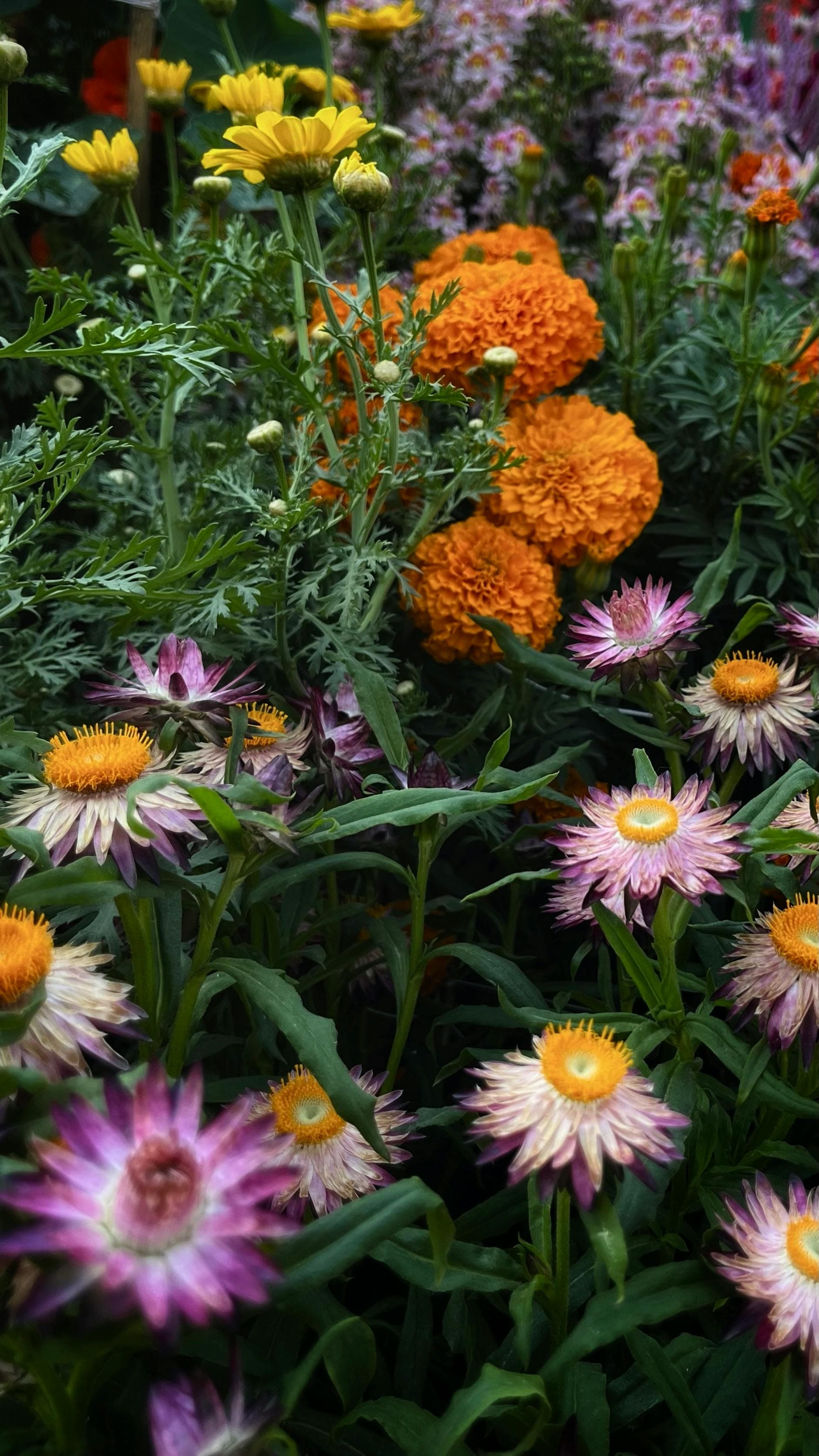
Long bloom is not only about big flowers. Sweet alyssum can change the feeling of a bed because it covers the seams. It spills over a pot edge, softens bare soil at the front of a border, and makes young plantings look less like a set of separate starts. The scent is a bonus near steps and paths.
Alyssum may slow in hard heat, especially where nights stay warm. Shear it lightly when it looks tired, keep the soil from drying to dust, and it often returns when conditions ease. That kind of pause is normal. A long-blooming garden is not one where every plant peaks every day. It is one where something is always ready to take the next turn.
Gomphrena is another small-flowered workhorse. The clover-like blooms hold color well, tolerate heat, and make useful cut stems. It does not shout, but it keeps contributing when dramatic flowers are between flushes.
Containers expose weak annual choices quickly. A tiny pot heats up, dries out, and runs out of nutrition while the flowers are still expected to perform like a catalog. Long-blooming container annuals need enough soil volume to support the show.
Calibrachoa, angelonia, lantana, geraniums, and trailing annuals can bloom for a long time in containers, but they do not want to be starved. Use fresh potting mix, not tired garden soil. Water deeply until excess drains, then let the pot approach dryness according to the plant. Feed lightly and consistently rather than dumping fertilizer in panic after the plant has already declined.
Angelonia is especially useful in heat because it keeps a tidy vertical shape. Lantana handles sun and reflected heat well once established, though it can become woody or rangy if ignored. Calibrachoa gives a spilling, generous look, but it hates staying soggy and often performs best in a pot that drains sharply.
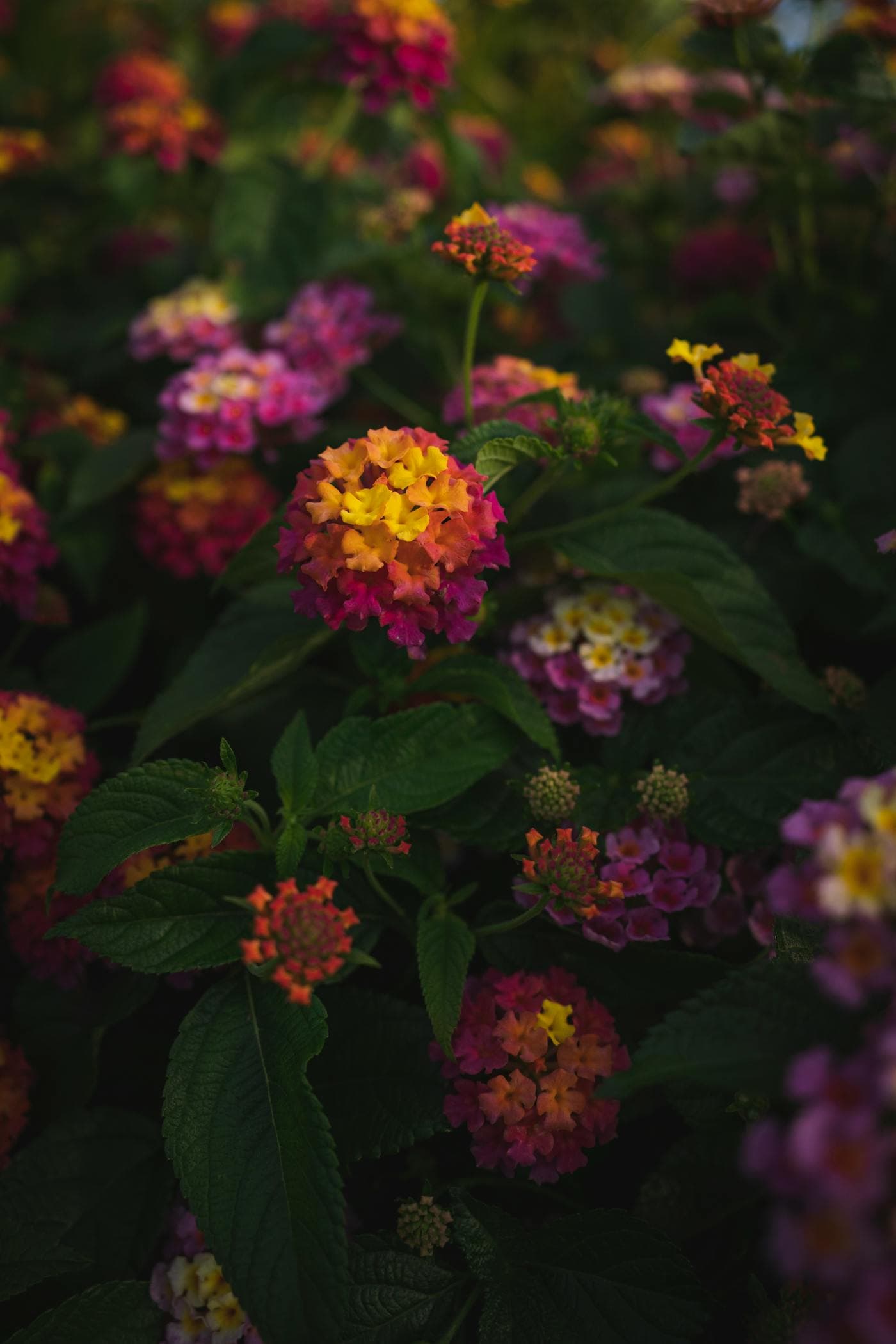
Nasturtiums are not tidy in the same way marigolds are tidy. They wander, trail, and make round leaves that are almost as important as the flowers. That is their value. In a strict border they can look unruly, but in a container, window box, or relaxed edge they bring an easy, edible abundance.
Do not overfeed them. Rich soil can push leafy growth at the expense of flowers. Give them sun to part sun, decent drainage, and room to spill. If they start to look tired in midsummer heat, trim back the worst stems and let fresh growth return when conditions improve.
They are useful for impatient gardeners because they feel generous quickly. Even before the bloom is heavy, the leaves make the planting look full.
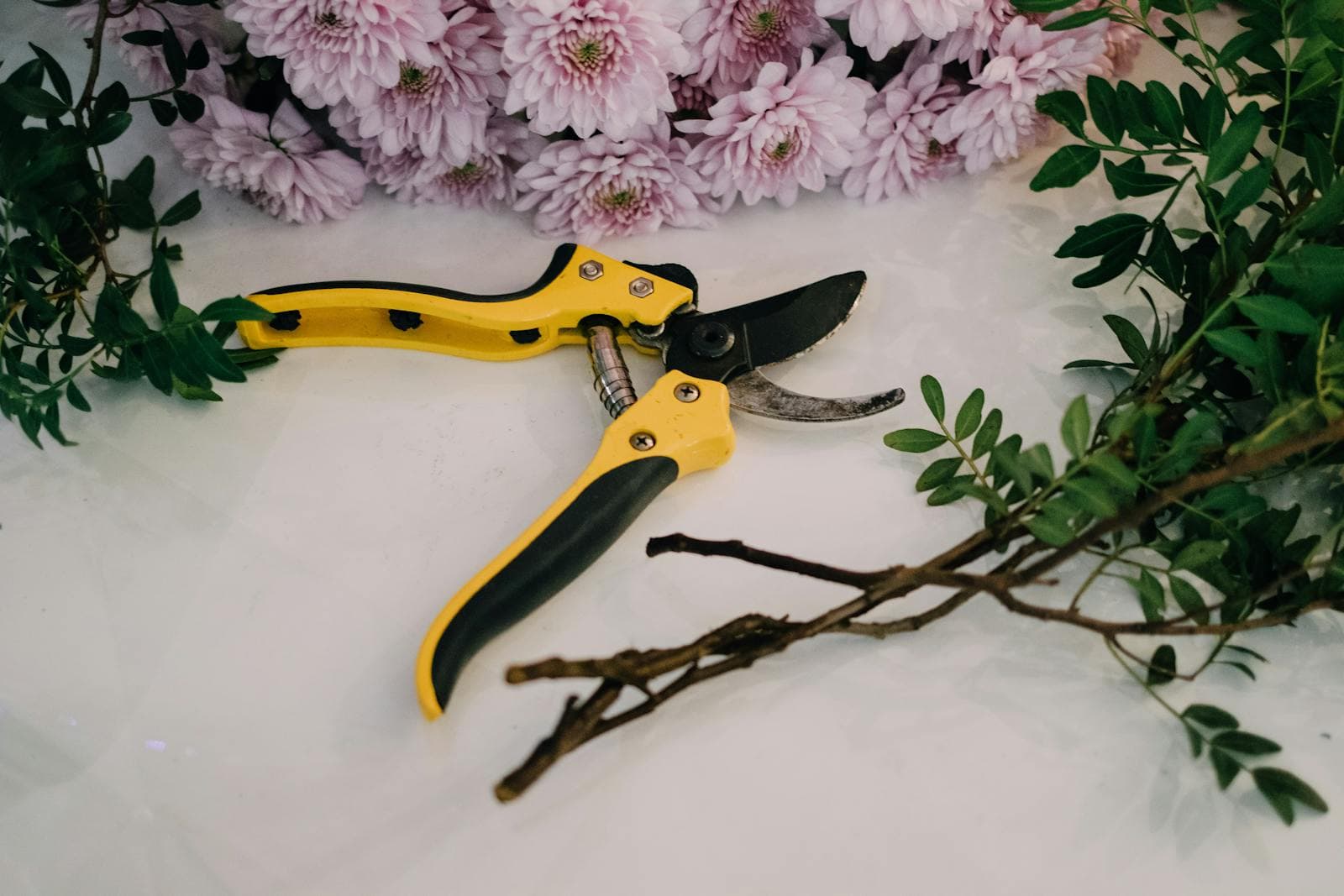
The care rhythm is simple, but it has to be real. Once a week, walk the bed or containers with snips. Cut flowers for the house before they fade. Deadhead the ones that are already finished. Remove yellow leaves and stems that are crowding their neighbors. Then water deeply if the soil is dry below the surface.
Containers usually need more food than beds because nutrients wash through and roots are confined. Beds benefit from compost and decent soil before planting, then occasional feeding if growth slows and leaves pale. Do not expect nonstop bloom from plants living in exhausted soil.
The common mistake is treating annuals like disposable decorations and then being disappointed when they behave that way. Treat them like working plants. Give them light, root room, water, food, and regular cutting. They will still be temporary, but they can be temporary for a long, satisfying stretch.